










RETAIL INTELLIGENCE
Compete to convert with every product
AI-powered decisions fueled by price, availability, retail performance and competitive data







MONITORING
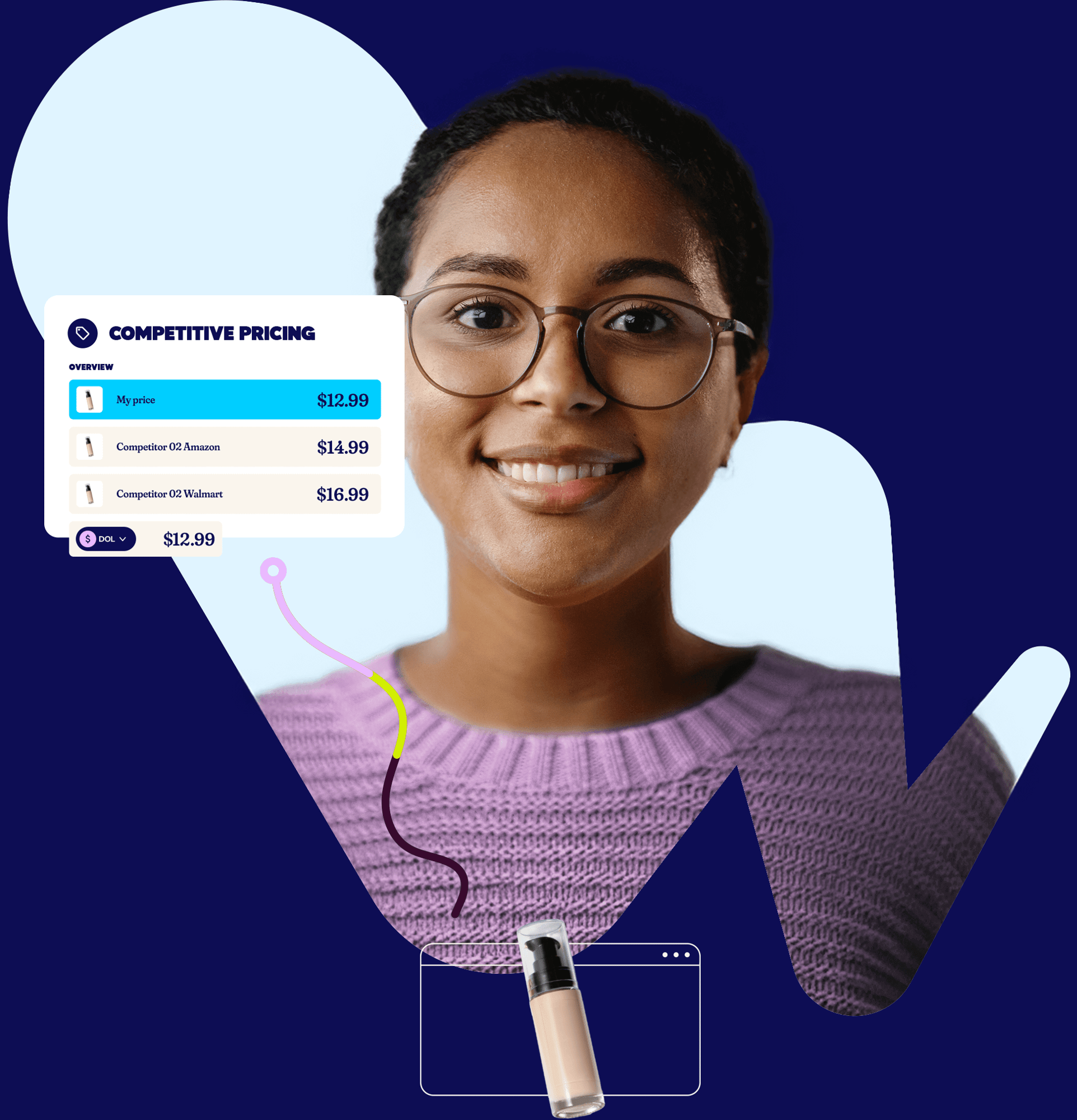
Monitor and enforce MAP at scale
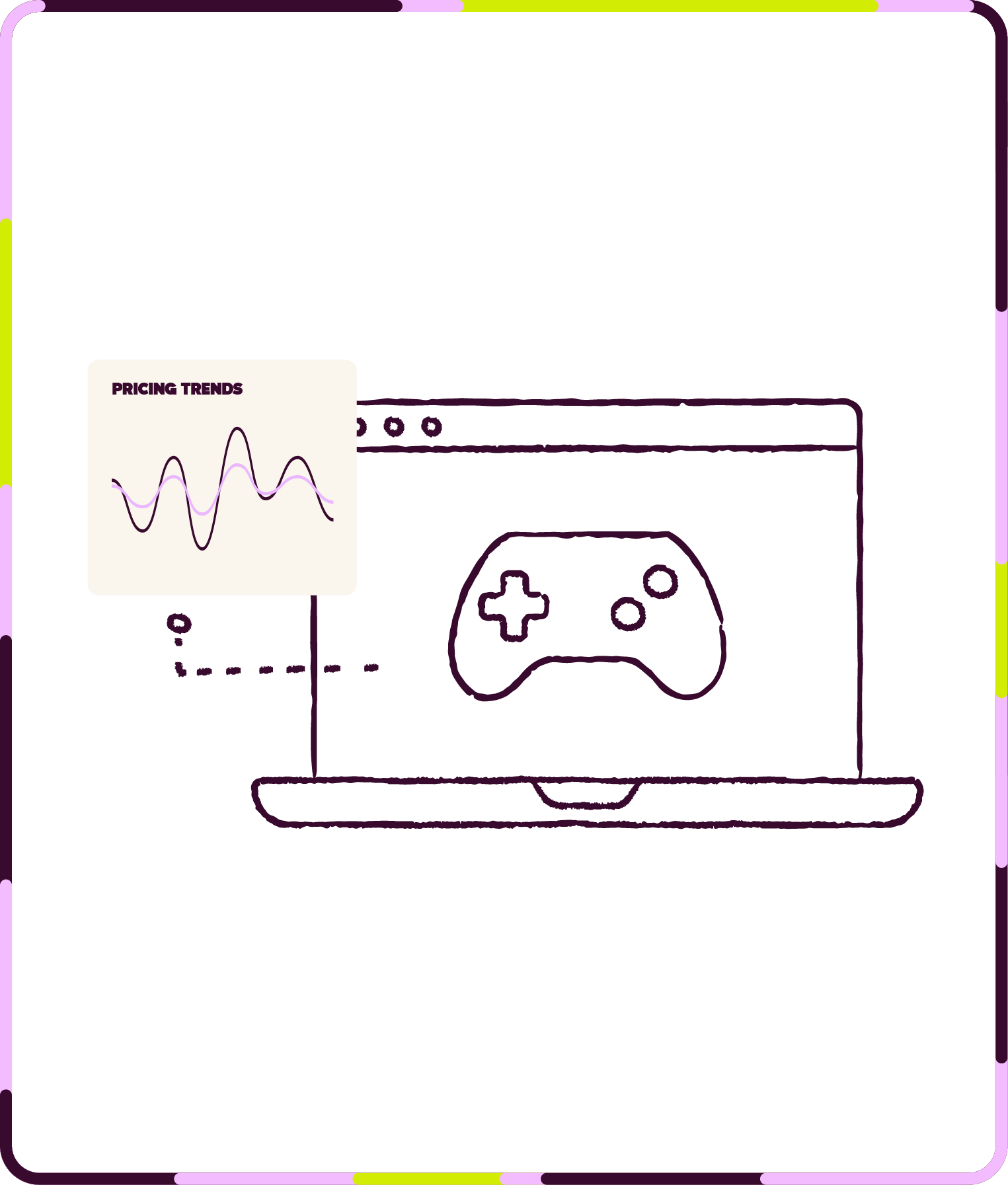
Make pricing a strategic advantage with AI-powered insights and market intelligence. Price Intelligence analyzes pricing trends across categories, retailers and regions to reveal undercuts, margin risks and growth opportunities.
Tap into predictive analytics and customizable dashboards to inform your strategy, optimize performance and take smarter action—all with the speed and precision today’s commerce demands.
Inventory levels
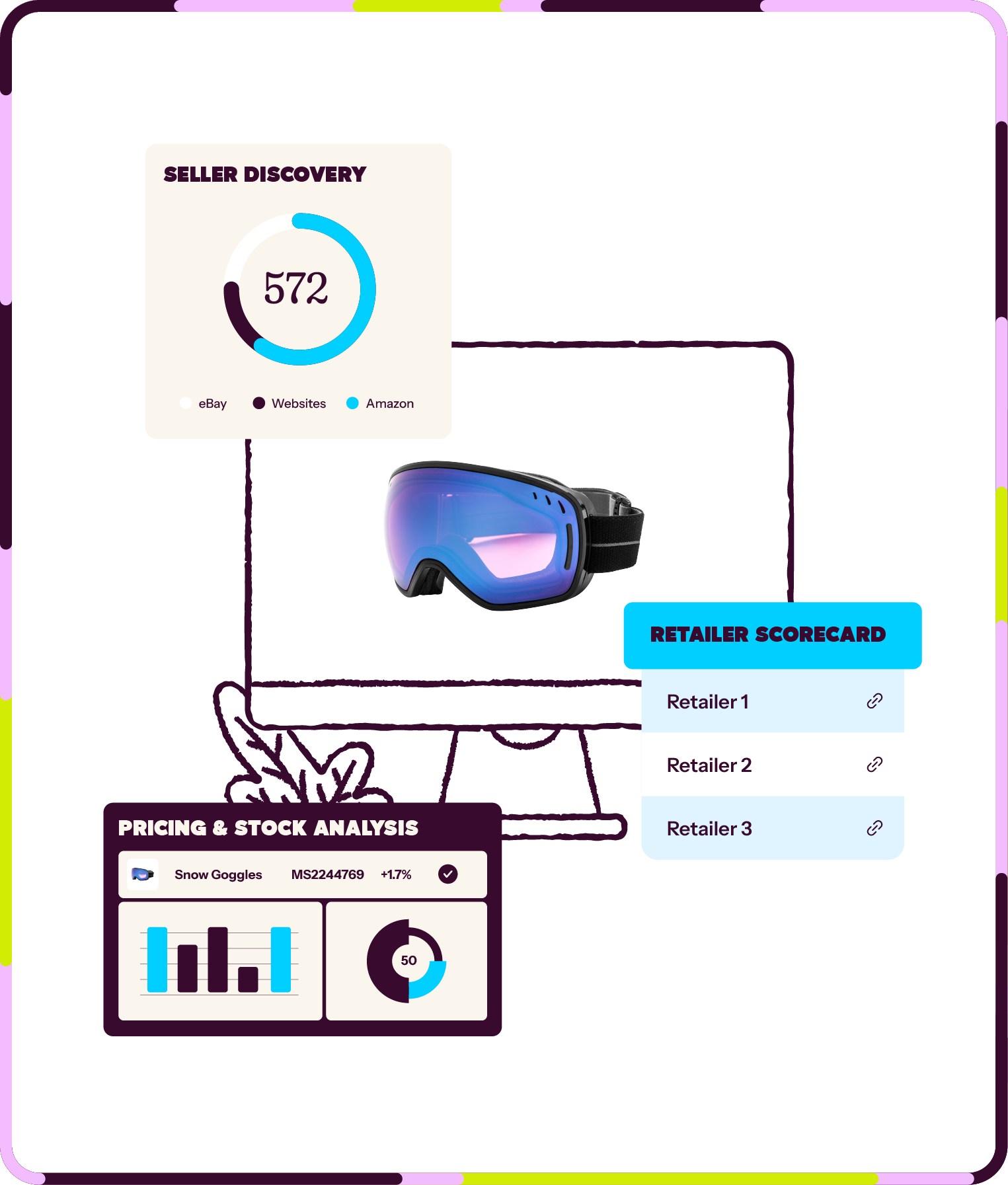
Support JBPs with real data
WHAT OUR CUSTOMERS SAY
“I like that Wayvia is monitoring 24 hours a day, so we don’t miss a [MAP] violation.”

STAY COMPETITIVE ON EVERY RETAILER WITH WAYVIA
What is Retail Intelligence?
Retail Intelligence is the practice of collecting, monitoring, analyzing, and activating data about retailer performance, pricing activity, product availability, assortment coverage, promotional activity, digital shelf execution, and competitive market conditions.
Retail Intelligence helps brands understand how products perform across retailers, marketplaces, and commerce channels.
Organizations use Retail Intelligence to improve:
- Product visibility
- Pricing compliance
- Stock availability
- Retail execution
- Competitive positioning
- Revenue performance
Retail Intelligence provides the insights brands need to make faster and more informed commerce decisions.
Why is Retail Intelligence important?
Retail Intelligence is important because modern commerce environments change constantly.
Retailers frequently adjust pricing, promotions, product assortments, and inventory levels. Without visibility into these changes, brands may miss opportunities to improve performance or identify issues that impact revenue.
Retail Intelligence helps organizations:
- Detect pricing issues
- Monitor product availability
- Identify competitive threats
- Improve retailer relationships
- Protect margins
- Optimize commerce performance
These insights help brands compete more effectively across retailers and marketplaces.
How does Retail Intelligence work?
Retail Intelligence gathers data from retailers, marketplaces, ecommerce environments, and commerce channels to create a unified view of performance.
A simplified Retail Intelligence framework is:
Retail Data
↓
Commerce Monitoring
↓
Price Intelligence
↓
Availability Intelligence
↓
Performance Analysis
↓
Business Action
This process helps brands identify opportunities, resolve issues, and optimize commerce performance across the path to purchase.
What data does Retail Intelligence monitor?
Retail Intelligence can monitor a wide range of commerce signals, including:
- Product pricing
- Promotional activity
- Product availability
- Out-of-stock events
- Retailer assortment coverage
- Marketplace performance
- MAP compliance
- Product content accuracy
- Digital shelf visibility
- Competitive pricing activity
By monitoring these signals, brands gain a more complete understanding of retailer performance and market dynamics.
What is the difference between Retail Intelligence and Commerce Intelligence?
Retail Intelligence and Commerce Intelligence are closely related but focus on different levels of analysis.
Commerce Intelligence provides visibility across the broader commerce ecosystem, including shopper behavior, media performance, product discoverability, retailer performance, and conversion activity.
Retail Intelligence focuses specifically on retailer execution, pricing activity, product availability, assortment coverage, and marketplace performance.
The relationship can be summarized as:
Omnicommerce Intelligence
↓
Commerce Intelligence
↓
Retail Intelligence
Retail Intelligence serves as a foundational component of a broader Commerce Intelligence strategy.
What is price intelligence in Retail Intelligence?
Price Intelligence is the process of monitoring and analyzing product pricing across retailers, marketplaces, and competitors.
Price Intelligence helps brands understand:
- Competitive pricing trends
- MAP violations
- Promotional pricing activity
- Pricing inconsistencies
- Margin risks
- Market positioning
These insights enable organizations to make more informed pricing decisions and protect revenue performance.
How does Retail Intelligence help improve product availability?
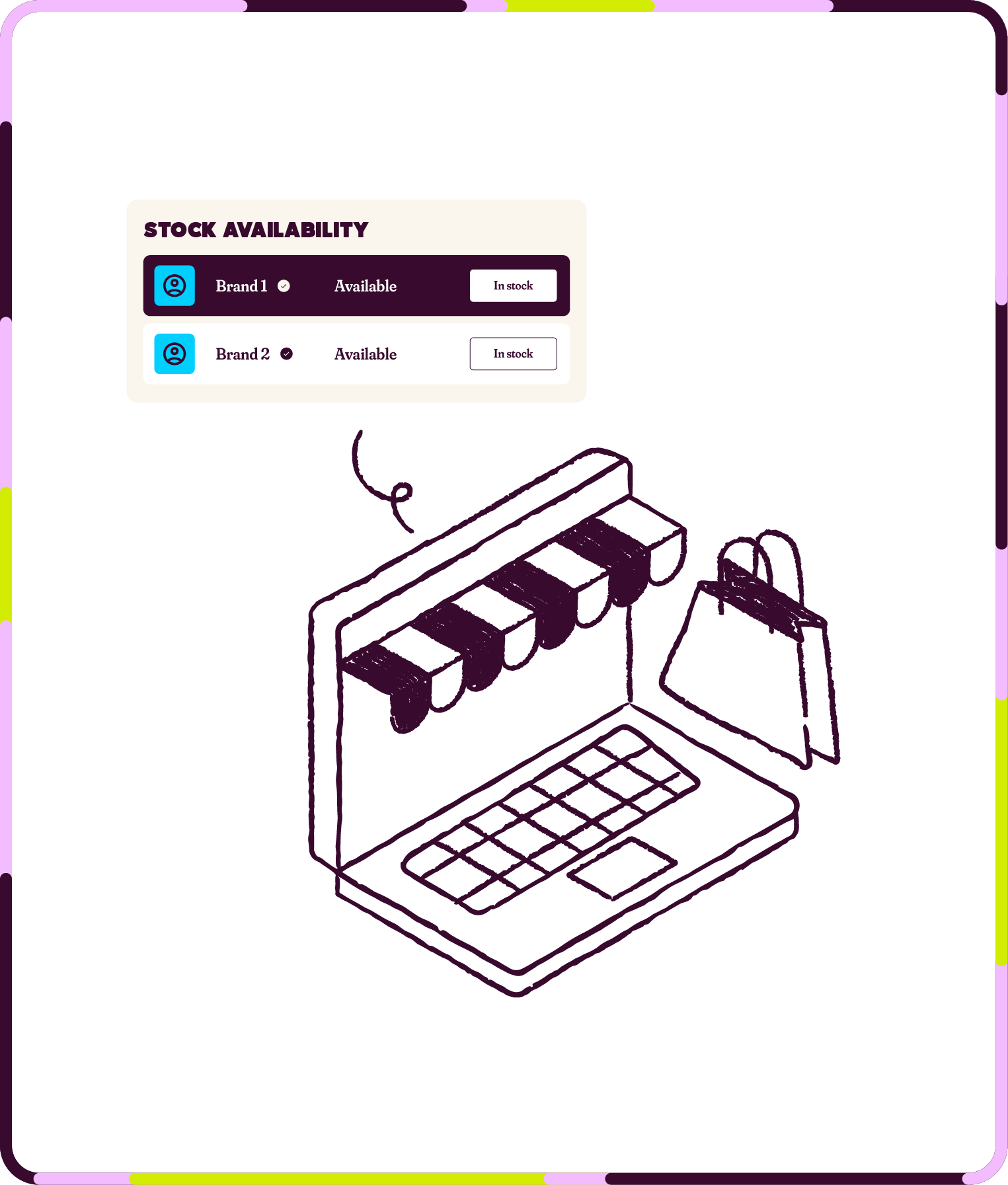
Retail Intelligence helps brands identify inventory issues before they impact revenue.
By monitoring stock levels, out-of-stock events, retailer inventory trends, and product availability across channels, organizations can quickly identify risks and improve product accessibility.
Improved availability helps brands:
- Reduce lost sales opportunities
- Improve shopper experiences
- Strengthen retailer relationships
- Increase conversion rates
- Protect revenue growth
Availability intelligence is a critical component of effective commerce execution.
How does Retail Intelligence support AI-powered commerce and Agentic Commerce?
AI-powered shopping experiences and Agentic Commerce systems rely on accurate commerce signals to evaluate and recommend products.
Retail Intelligence provides many of the signals AI systems use, including:
- Pricing information
- Product availability
- Product content
- Retail visibility
- Marketplace performance
- Competitive positioning
Organizations with strong Retail Intelligence capabilities are often better positioned for AI-driven commerce environments because AI systems can more accurately understand, evaluate, and recommend their products.
As commerce becomes increasingly AI-driven, Retail Intelligence helps brands improve both commerce performance and AI discoverability.