 By
By

Consumers engage with offsite media in drastically different ways. A shopper discovering a product in a social feed is behaving differently from one actively comparing multiple products or checking where a specific item is available. Yet traditional media planning treats both clicks identically, leaving marketers blind to the actual buyer intent behind surface-level click-through rate (CTR) metrics.
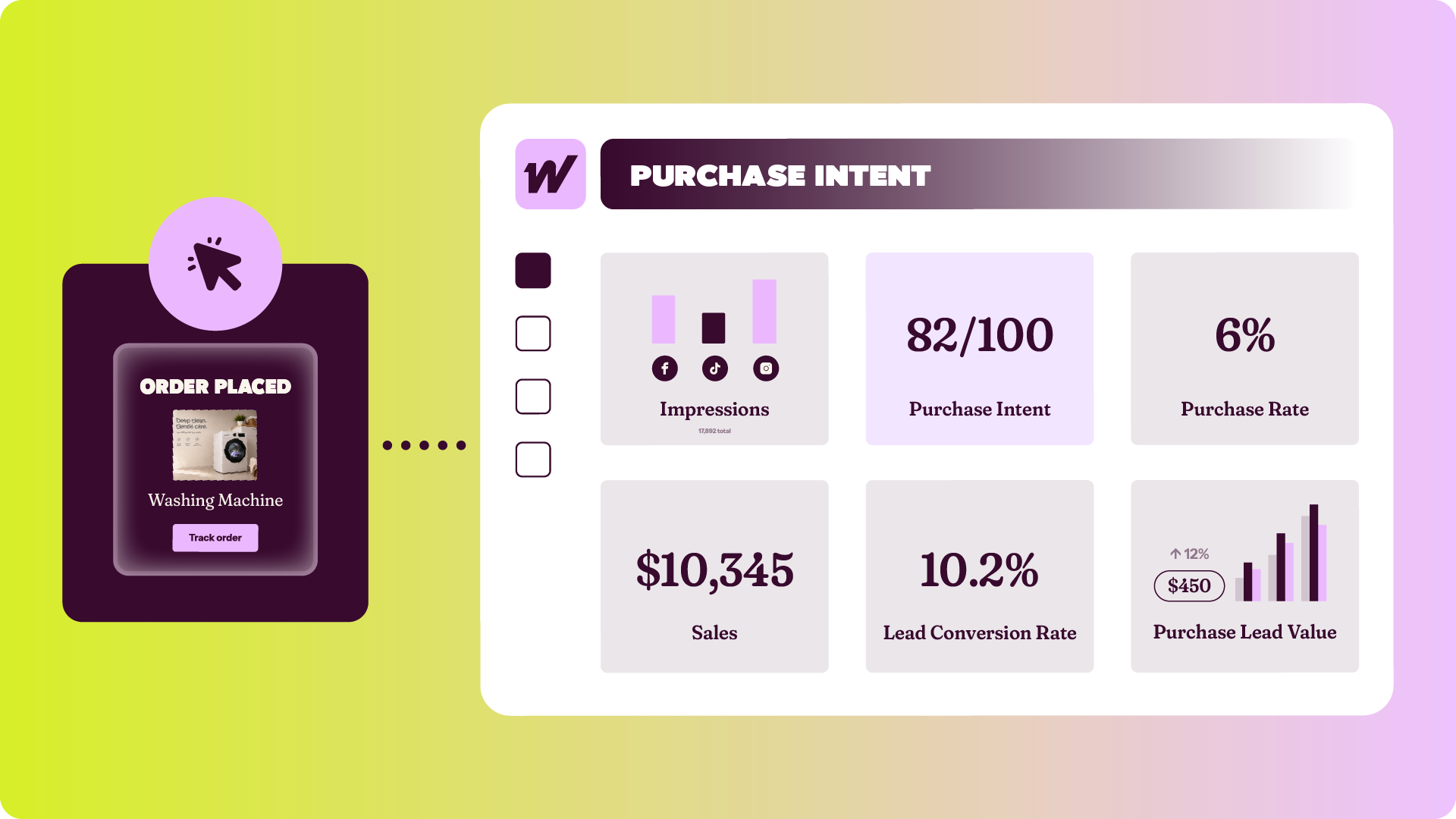
Looking at channel preference, products considered, and progression toward a retail destination helps brands see which media interactions are creating genuine purchase intent, not just engagement.
What brands should be doing
Marketers must now throw out their old assumptions shaped by legacy channel performance. By layering shoppable touchpoints onto offsite campaigns, marketers can measure purchase intent rate rather than raw click volume. In doing so, they:
-
Distinguish discovery from active consideration
-
See which products shoppers are comparing
-
Identify which channel and product combinations generate the strongest intent
-
Reallocate spend toward the paths most likely to move shoppers closer to purchase
Rather than relying on fixed assumptions on how each channel performs, teams can use observed shopper behavior to determine the role search, social, connected TV, and other offsite media play within each category.
Not every click will end in a sale, but marketers can still optimize for high-intent audience building. Especially on newer media channels or when promoting newer products, use purchase intent as a real-time, in-flight campaign metric. Move spend into the campaigns that show higher purchase intent, and then prioritize those audiences for retargeting.
Purchase intent in action
Hill's Pet Nutrition used retailer preference, purchase intent, and price sensitivity to strengthen its direct-to-consumer (D2C) service model through a hybrid strategy, a stronger last-mile delivery approach, and closed-loop commerce infrastructure. The result: a 97.6% lift in purchase intent rate and a 75.4% lift in attributed sales, year over year (YoY).
A global entertainment brand turned its content environments into shoppable commerce infrastructure, tracking purchase intent, creative-to-commerce performance, and shopper engagement behavior. As a result, it saw a 29% average click-through rate (CTR), a lift in conversion rate across properties, and 51.6K module views.
High traffic volume does not necessarily indicate purchase readiness. Media spend should also be planned and optimized around verified intent across channels, products, and categories.
Want to see how this works in practice? Watch our on-demand Shopper Signals Webinar to learn how brands are turning shopper behavior into sharper media decisions.